
01Boil
Boil
Fill the large lower kettle of the çaydanlık and bring it to a rolling boil. The empty pot above warms in the rising steam.
Our story
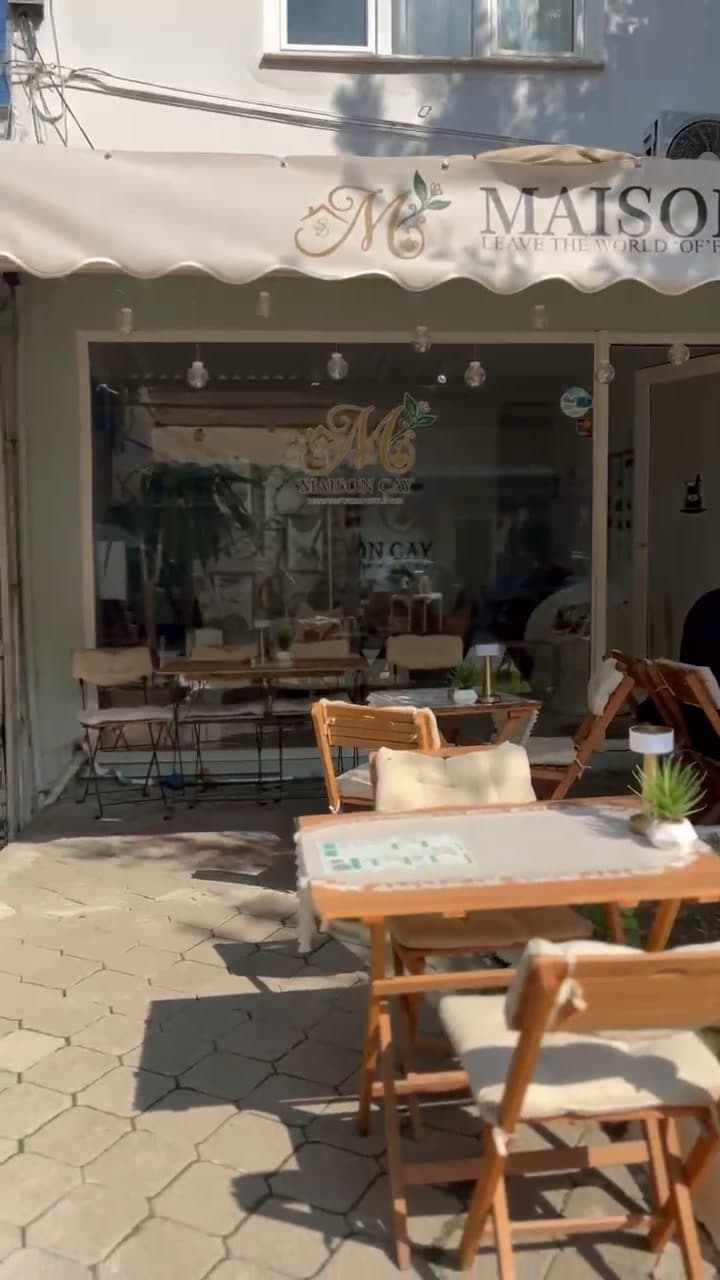
Maison Çay is our small tea house on Çarşı Caddesi. Get to know the place, the way we brew our tea and what it means to leave a tea for someone else.
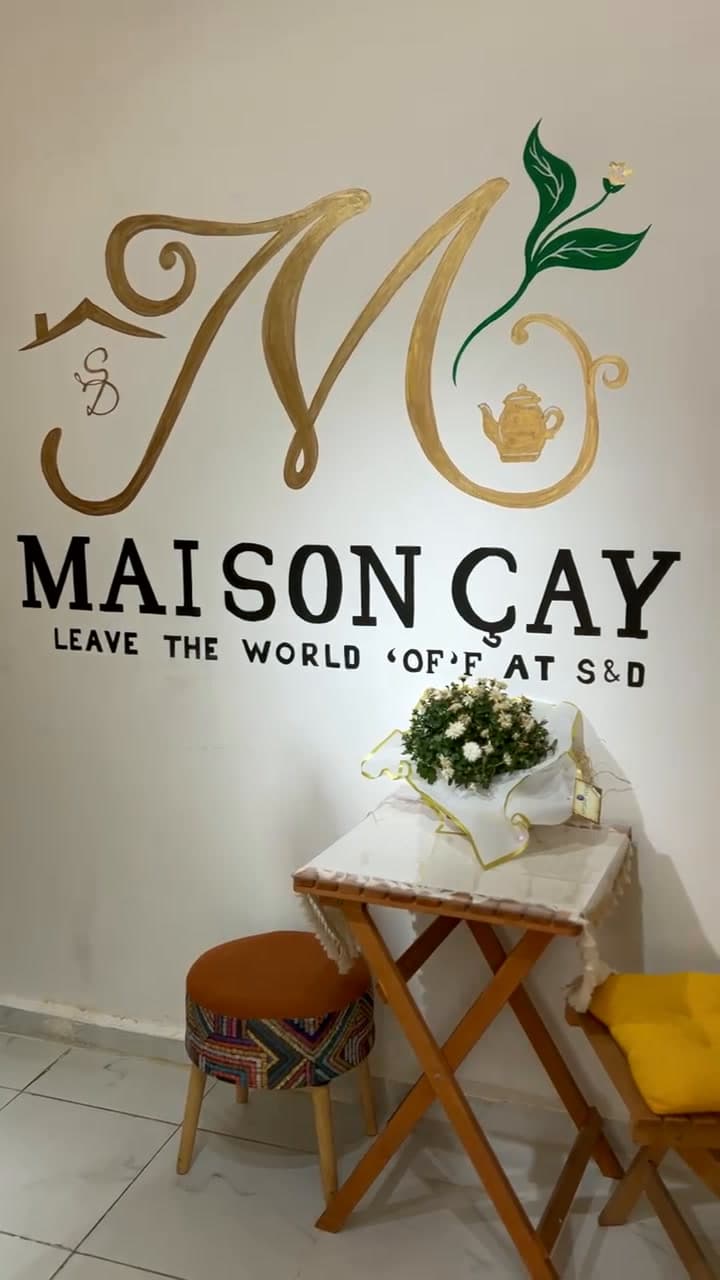
The logo wall, painted by hand in gold.
In Turkey, the word çay means one thing first: black tea from the Black Sea. It is brewed strong, poured into small glasses all day long, and offered before anyone thinks to ask. Our 30-lira glass belongs to that tradition, and so does the way we serve it.
At Maison Çay, that welcome continues through the menu: Turkish coffee, house lemonade, fresh fruit drinks, cold teas and a toast to share. Familiar flavours, enjoyed at your own pace.
“Strong in the pot, softened in the glass — and never refused.”
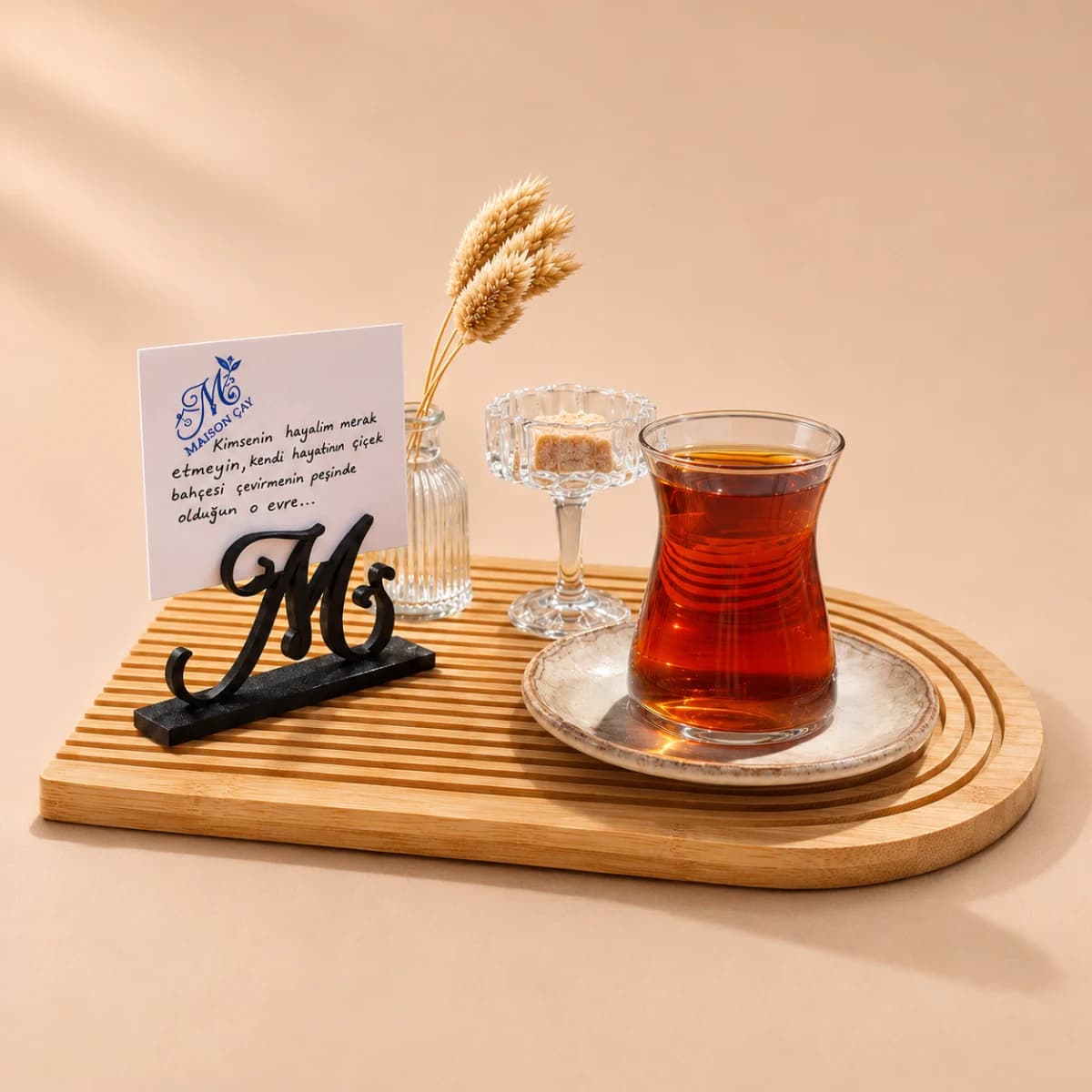
Our brewed çay, served with care.
1924
The first tea plantations are started in Rize, on the eastern Black Sea coast, from seeds brought across from Georgia.
Rize
Turkish çay is Black Sea tea: misty slopes, heavy rain, and a liquor that glows clear red in the glass.
30 ₺
a glass of brewed çay, served in a tulip glass — a small pause in the day.
Fill the large lower kettle of the çaydanlık and bring it to a rolling boil. The empty pot above warms in the rising steam.
Leaves go into the upper pot with a splash of boiling water. Then patience: the tea brews slowly, sitting on the kettle.
A measure of the strong brew in a tulip glass, lengthened with hot water from below — koyu for dark, açık for light.
Glasses are refilled before they are empty. In 2022 the culture of çay was inscribed on UNESCO's Representative List of the Intangible Cultural Heritage of Humanity.
Fethiye has been a harbour for longer than it has been called Fethiye. Its history is carved into the cliffs above the town — and poured, today, into a great many tulip glasses.
c. 350 BC
The Lycians carve the Tomb of Amyntas into the cliff above Telmessos — the ancient city beneath modern Fethiye.
10th c.
The ancient name fades; the harbour town becomes Makri. Under the Ottomans it is known as Meğri.
1934
Meğri is renamed Fethiye in honour of Fethi Bey, one of the first pilots of the Ottoman Air Force.
1957
Earthquakes in April damage much of the town. Fethiye is rebuilt around its harbour, today a busy marina.
Today
Boats in the bay, Lycian tombs in the cliffs, the bazaar in the old streets — and a small house of tea at number 65A.
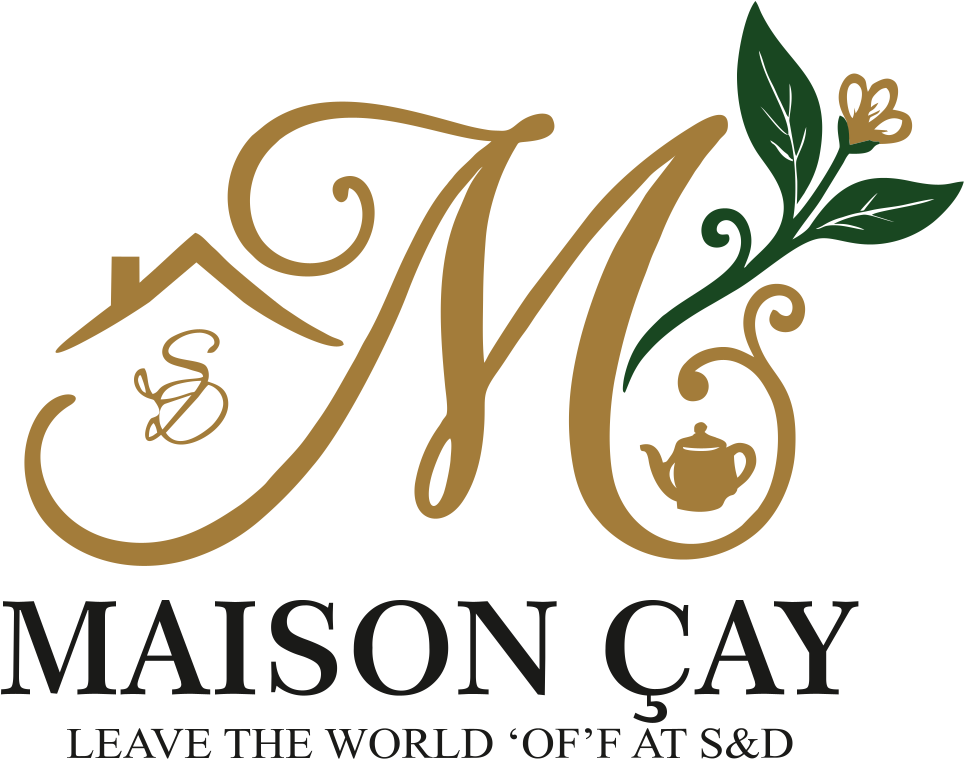
Look closely at the mark above our door: a little house with a roof and two initials, an M that curls into a teapot, a sprig of tea leaves in flower. Maison Çay is exactly that — a house first, a tea room second.
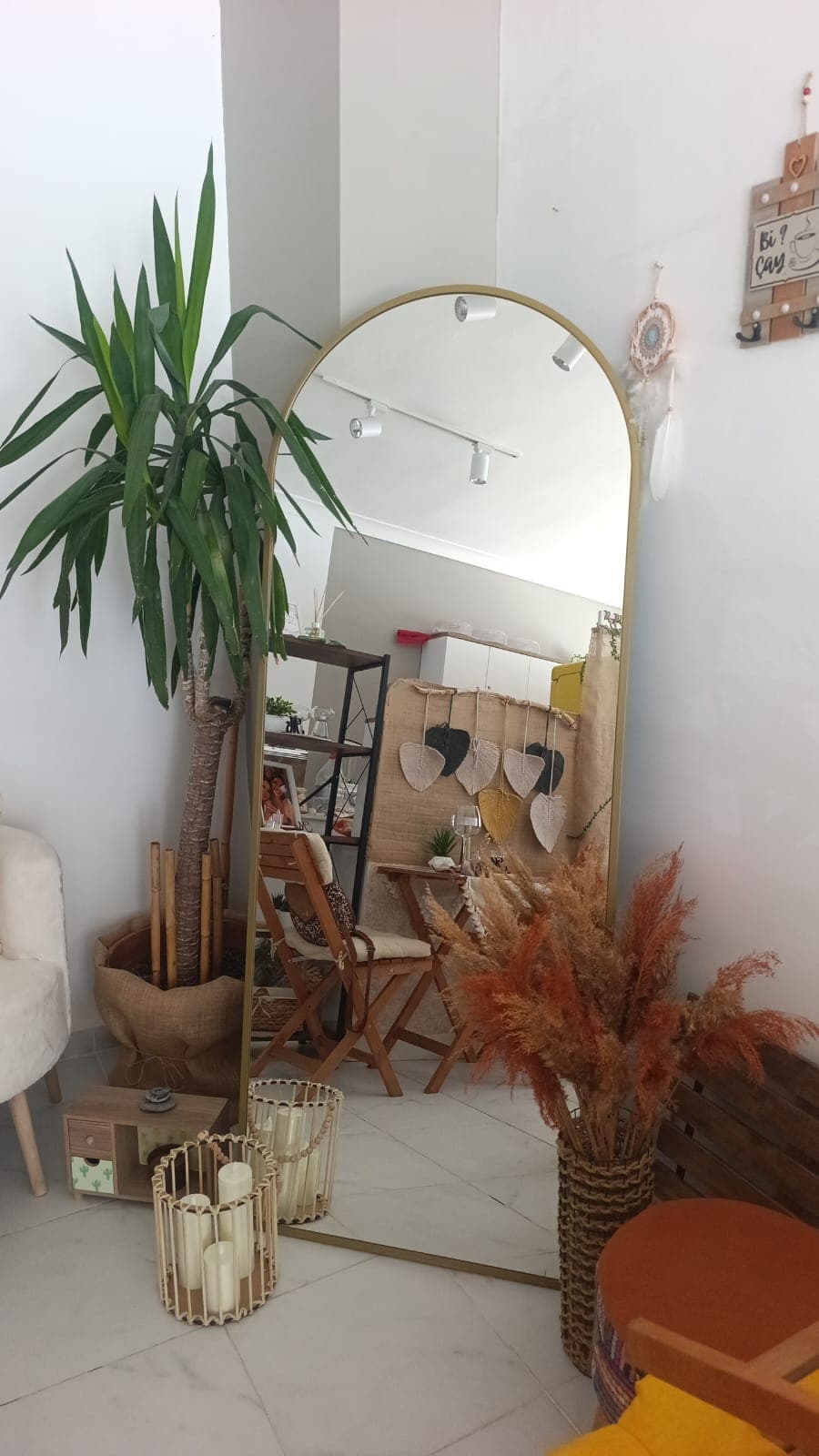
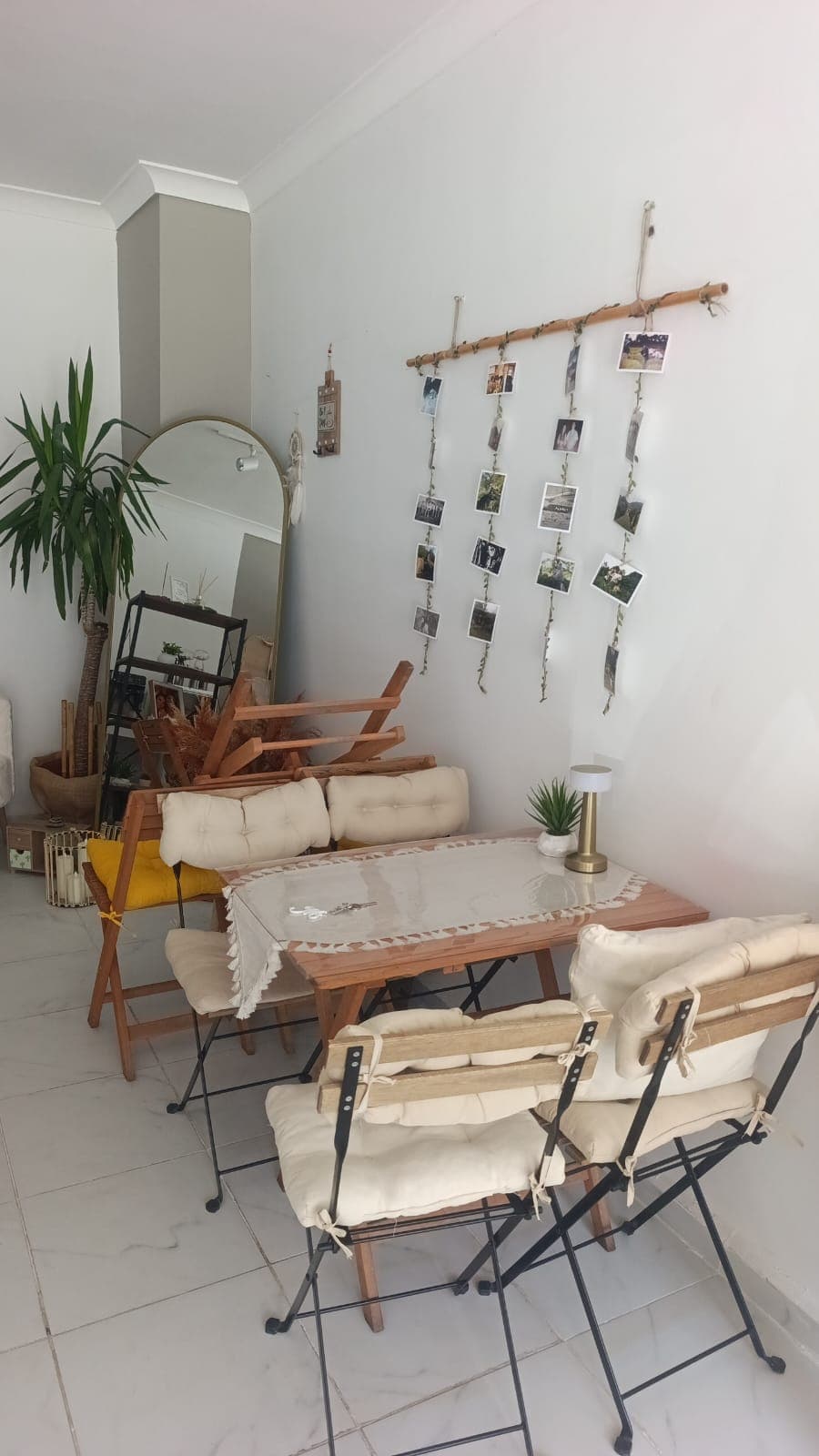
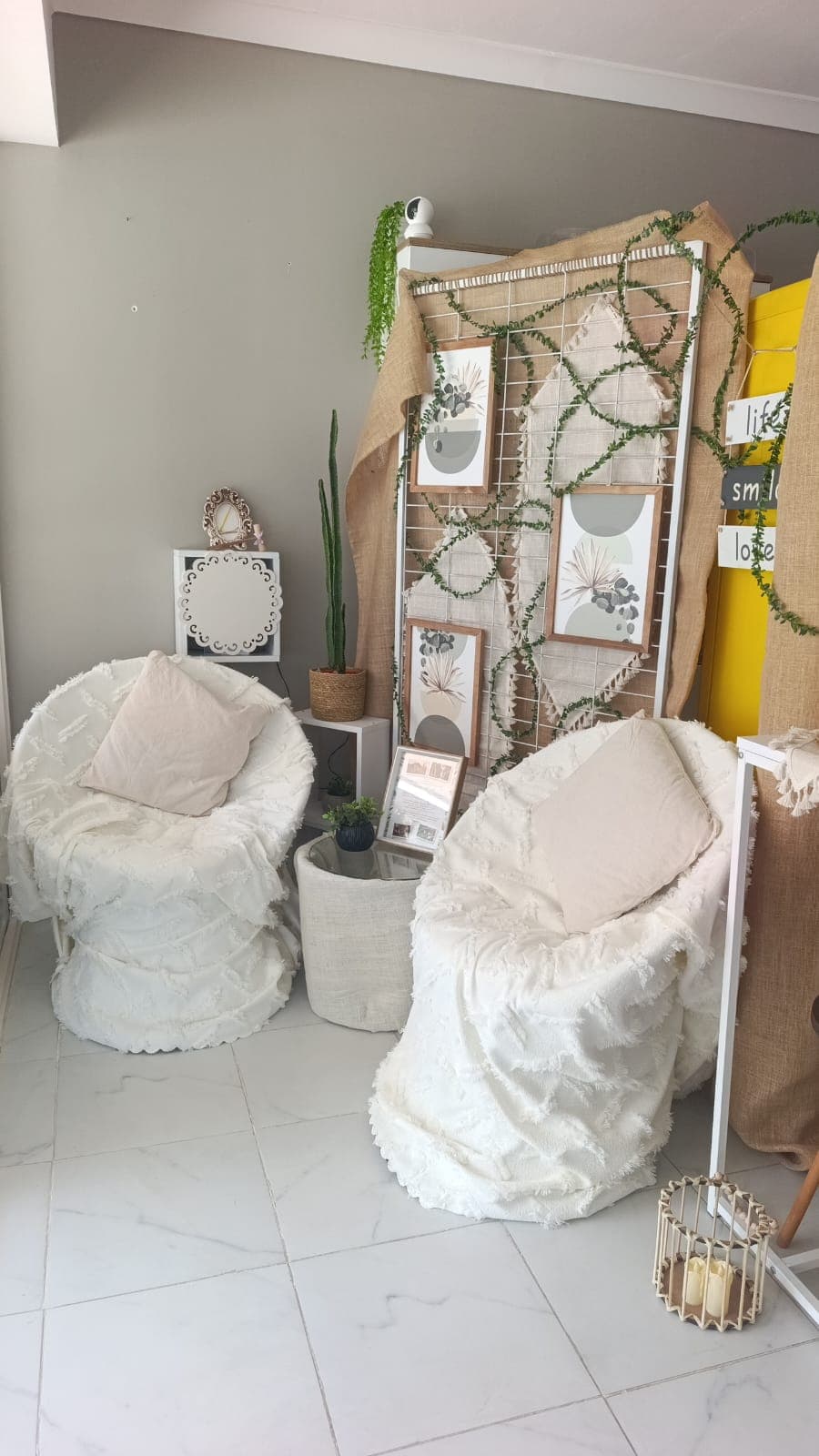
The gold mirror, the photographs and the tables by the window are part of the house. Settle in wherever you feel at home.
Say ‘this one’s on us’ when you pay, and leave a tea for the next guest.
15 ₺
See you on Çarşı Caddesi. We’ll have the tea ready.